Tehran wants relief without surrender, Washington wants concessions without occupation, and the struggle over the Strait of Hormuz may decide whether the war ends - or begins again.
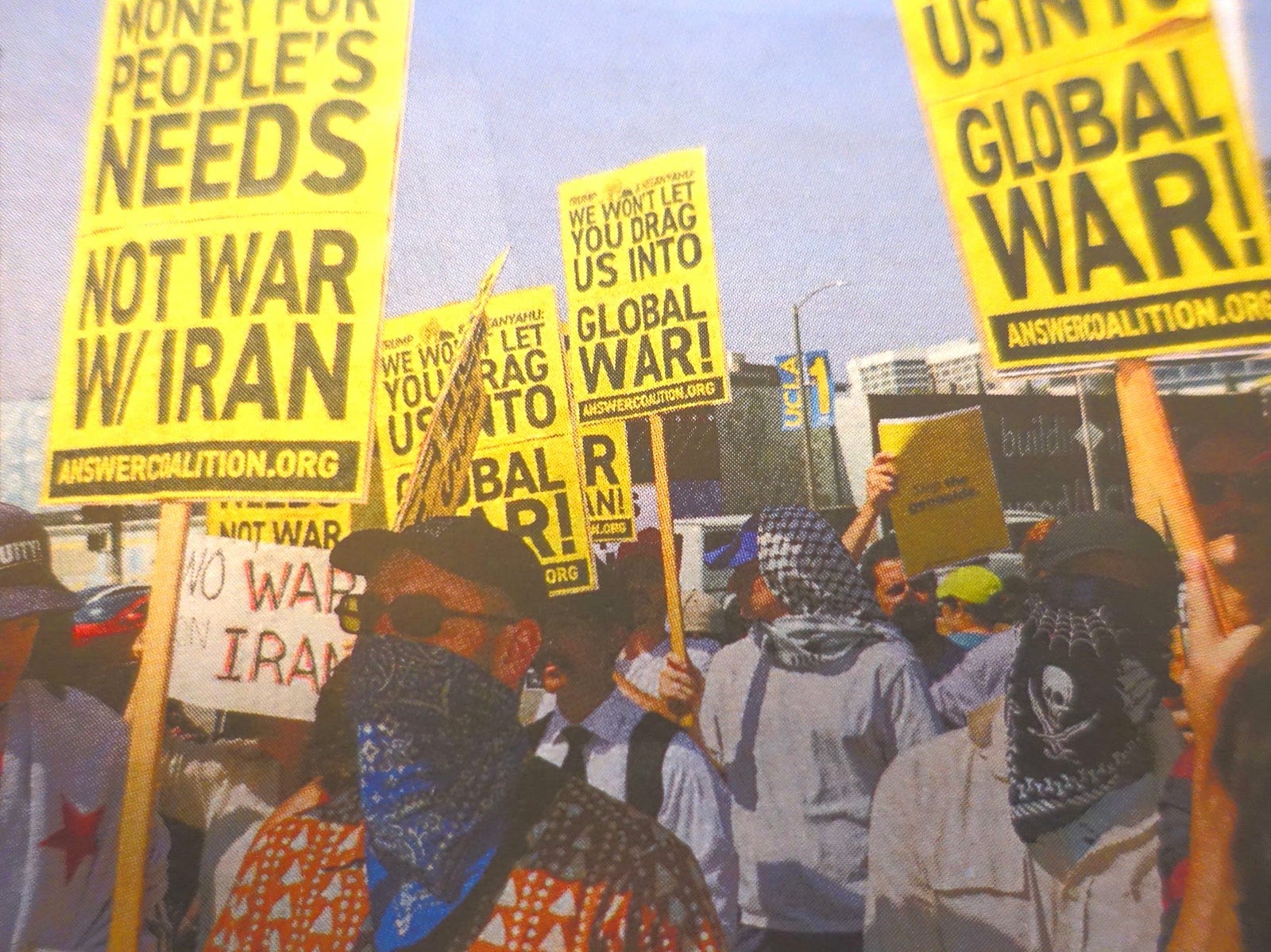
Iran has issued its price for reopening the Strait of Hormuz, and it is intentionally impossible.
The United States must lift sanctions, release frozen Iranian assets, end its naval blockade, withdraw its forces from the region, stop attacking Iran’s allies and pay war reparations. Only then, says Mohammad Bagher Zolghadr, secretary of Iran’s Supreme National Security Council, will normal shipping resume.
This is not a serious peace proposal. It is Iran’s opening bid in what may be the most consequential stage of the war: the attempt to turn its ability to disrupt one of the world’s most important waterways into a political victory it could not achieve on the battlefield.
Iran has suffered badly. Its military infrastructure has been battered, its regional network weakened and its ports blockaded. Tehran claims that the war has caused approximately $270 billion in damage. Whatever the exact figure, Iran cannot indefinitely sustain a conflict that restricts its oil exports, isolates its ports and deters investment.
Yet Iran retains one formidable weapon. It can threaten ships passing through the Strait of Hormuz, through which roughly one-fifth of the world’s oil supply ordinarily travels. Before the war, about 130 vessels used the strait each day. Recently, the figure has been closer to a dozen.
That gives Tehran leverage far beyond its remaining conventional military strength. Iran does not have to defeat the United States. It merely has to make the war expensive for American consumers, Gulf exporters and the wider world.
The next step will probably be a limited agreement, not a comprehensive peace.
Iran and Oman appear close to establishing a temporary shipping route, with inbound vessels passing through Iranian waters and outbound traffic traveling nearer Oman. The difficult question is not where ships sail but who controls them. Iran wants the authority to monitor traffic, intervene against vessels and possibly collect fees. Washington insists that Hormuz must remain an international waterway rather than an Iranian checkpoint.
That distinction cannot be dismissed as diplomatic bookkeeping. If the United States accepts Iran’s claimed authority over incoming ships, Tehran could emerge from the war with a permanent mechanism for intimidating its neighbors. Every future confrontation could be accompanied by another Iranian threat to suspend passage.
The most workable compromise would therefore be temporary, conditional and reversible. Iran would stop attacking commercial ships and assist with demining. The United States would suspend its blockade in stages. Limited Iranian oil sales might resume, with some frozen money released for approved purposes. If Iran struck another vessel, American restrictions would automatically return.
The nuclear question would be deferred, but not forgotten. Washington still wants Iran to surrender its highly enriched uranium, restrict future enrichment and accept credible international inspections. Tehran wants sanctions relief before relinquishing its nuclear leverage. Neither side is likely to entrust everything to one sweeping agreement after the collapse of the June cease-fire.
Iran’s internal struggle may be even more important than the negotiations themselves. President Masoud Pezeshkian and Foreign Minister Abbas Araghchi appear to recognize that Iran needs economic relief. The Revolutionary Guards, however, control much of the country’s military power and possess substantial economic interests of their own. They fear that reopening Hormuz without obtaining dramatic concessions would squander Iran’s best remaining bargaining chip.
This helps explain Tehran’s contradictory messages. Araghchi says an agreement with Oman is close. The Guards say such an agreement will not reopen the strait. Zolghadr then presents demands that no American president could accept in full.
These statements may be intended partly for domestic consumption. Iranian negotiators must demonstrate to hard-liners that they are not capitulating to Trump. By demanding everything, they can eventually surrender several demands while claiming that sanctions relief or the lifting of the blockade represents an American retreat.
But divided governments are dangerous negotiating partners. A civilian official may reach an agreement that a Guards commander subsequently undermines. Another attack on an Emirati tanker — or on an American-protected ship — could force Washington to retaliate. A single missile launched by an Iranian unit could destroy weeks of negotiation.
President Trump nevertheless holds the stronger long-term hand. Iran can raise American gasoline prices and create political problems before the midterms. The United States can restrict the trade on which the Iranian state depends. Tehran’s pain is concentrated and potentially existential; America’s is dispersed and primarily economic.
Washington should therefore resist the temptation to purchase a quick reopening with permanent concessions. Ending the blockade in exchange for verifiable freedom of navigation would be defensible. Recognizing Iranian control of Hormuz, paying reparations or abandoning America’s regional allies would not.
What happens next in Iran will probably be neither immediate peace nor immediate regime collapse. It will be a contest between economic exhaustion and revolutionary pride. Iran wants relief without appearing to surrender. The United States wants concessions without occupying Iran or fighting indefinitely.
A narrow Hormuz agreement could create the breathing room needed for a larger settlement. But it will succeed only if Tehran concludes that the strait is more valuable open than closed — and that another round of war would endanger not merely Iran’s military assets, but the regime itself.
(Contributing writer, Brooke Bell)